


The Museum of Traditional Medicine is located on a small street in District 10, a place to preserve and honor the precious values that generations of ancient doctors have contributed to modern medicine.
Not only a souvenir space, the museum is also a unique tourist destination, helping visitors understand more about the history of Vietnamese traditional medicine through a chronological system and thousands of valuable artifacts collected from many periods.
1. Museum honoring Vietnamese Traditional Medicine
- Address: 41 Hoang Du Khuong, Ward 12, District 10, City. Ho Chi Minh City
- Opening hours: 8:30 am – 5:00 pm
- Admission fee (updated December 2023):
– Adults: VND 180,000/ticket
– Students, students, seniors: VND 90,000/ticket
Medicine has long been considered a noble profession and plays an important role in the development of society. However, not everyone has the opportunity to systematically learn about the history of the formation and development of this profession.
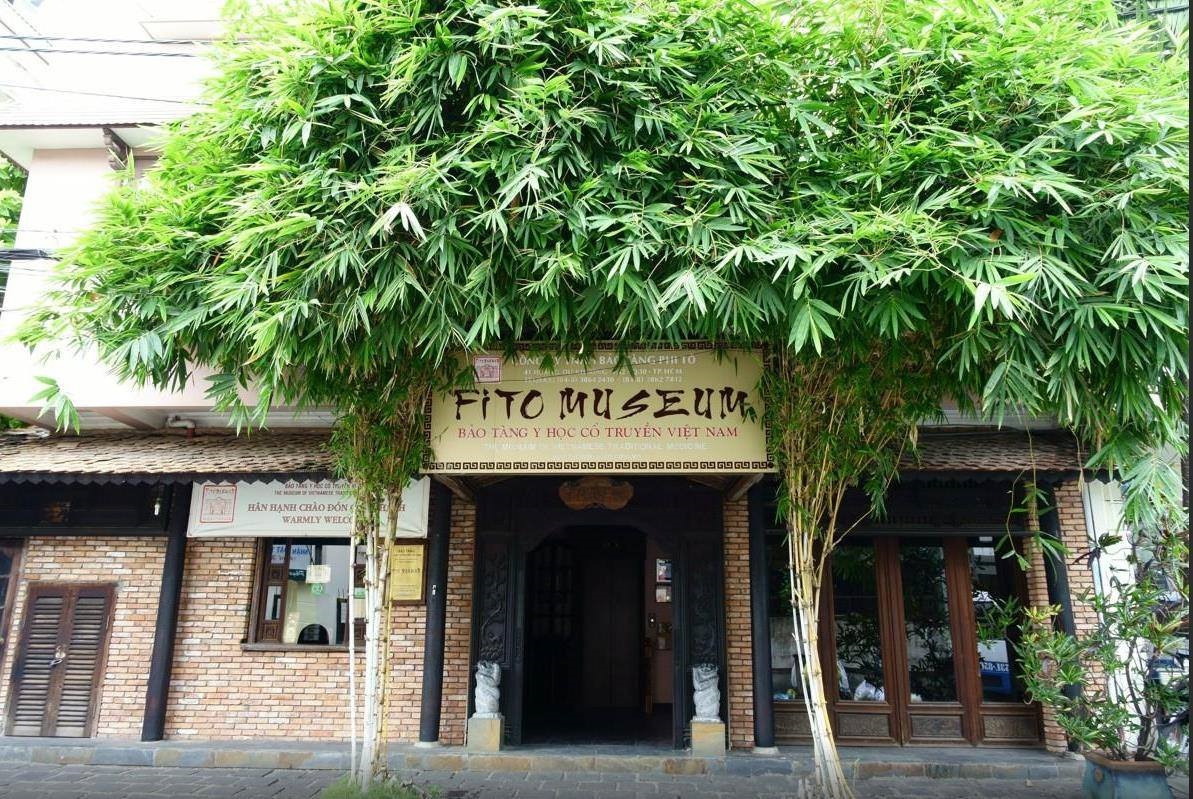
That is also the reason why the Museum of Traditional Vietnamese Medicine (FITO Museum) was born, with the mission of preserving, maintaining and honoring the values of traditional Vietnamese medicine.
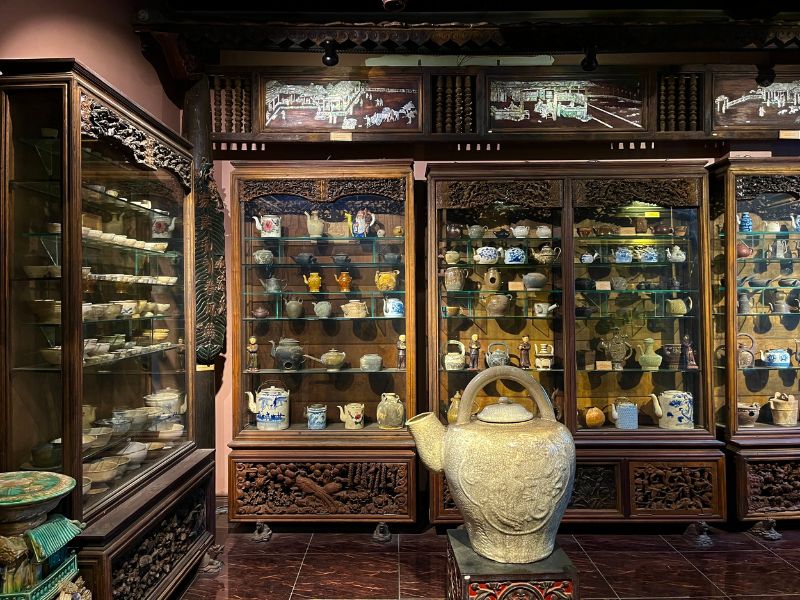
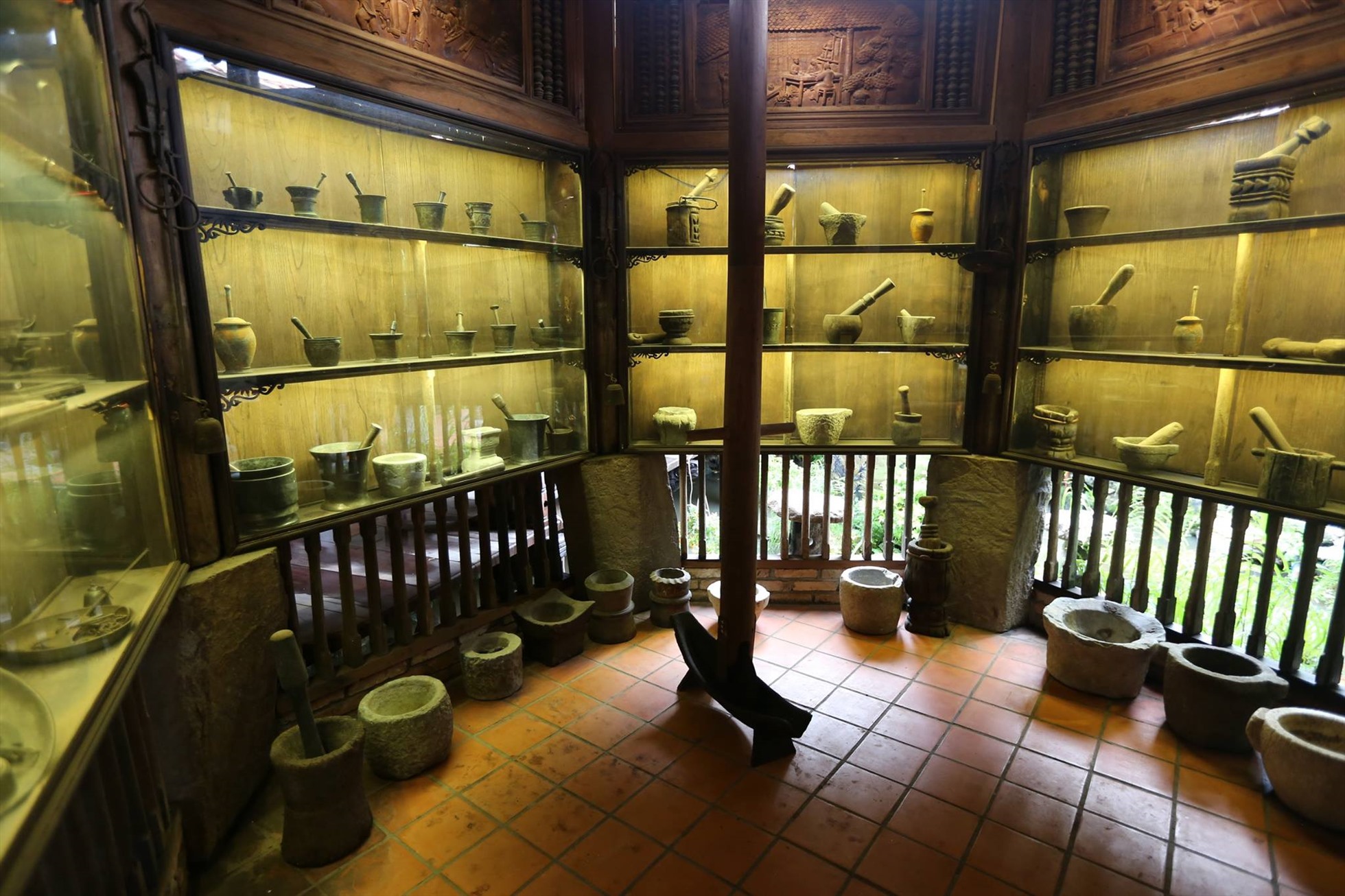
Here, visitors can admire thousands of valuable artifacts related to traditional medicine – from traditional medicine preparation tools such as knives, hammers, mortars and pestles, medicine pots, to jars for soaking medicinal wine.
Not only that, the museum also stores many ancient books and medical documents with high reference value, contributing to enriching knowledge about traditional medicine for visitors and those interested in this field.
2. Directions to the Fito Traditional Medicine Museum
- Location: The Fito Traditional Medicine Museum is located at 41 Hoang Du Khuong, District 10, about 4 km from the center of Ho Chi Minh City. The travel time from the city center to the museum only takes about 10-15 minutes, depending on the means of transport and traffic conditions.
- Means of transport:
If you are traveling in Saigon, you can choose from many forms of transport such as taxi, technology car or bus. However, traveling by motorbike is the most flexible and convenient option, especially if you want to combine visiting other places in the inner city area. - Suggested route:
From the city center (District 1 area), you can follow the following route:
Ly Tu Trong → turn onto Cach Mang Thang Tam → continue through 3 Thang 2 Street → Cao Thang → turn right onto Hoang Du Khuong. The Fito Museum will be on the left hand side in the direction of your travel.
3. History of the Fito Museum of Traditional Medicine
The Fito Museum of Traditional Medicine was formed from the passion for collecting and the dedication to preserving the traditional medical heritage of Mr. Le Khac Tam – Chairman of Fito Pharma Pharmaceutical Company. With the desire to preserve precious values and honor Vietnamese traditional medicine, Mr. Tam not only considers this a medical profession, but also an inseparable part of the national culture.
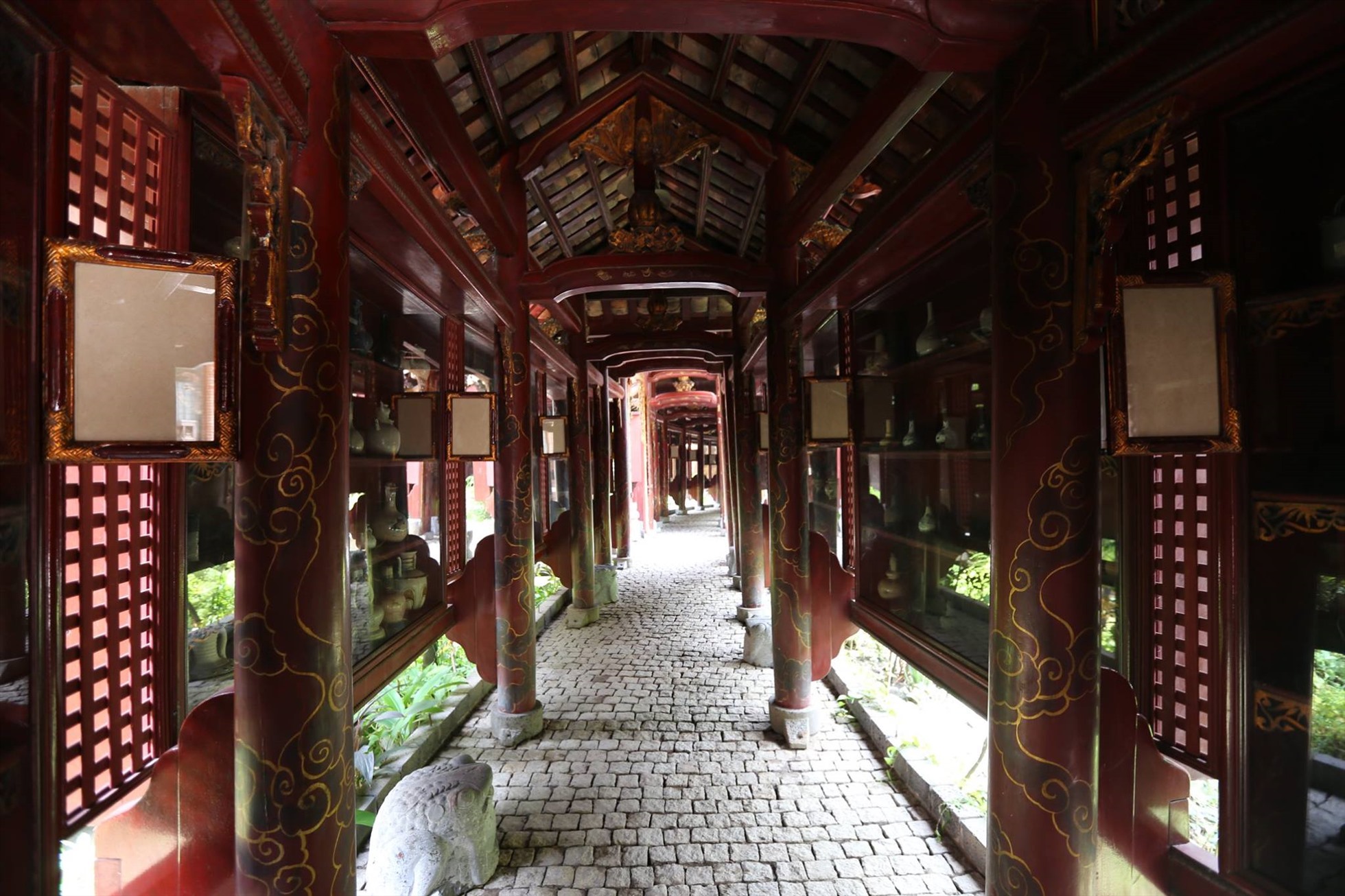
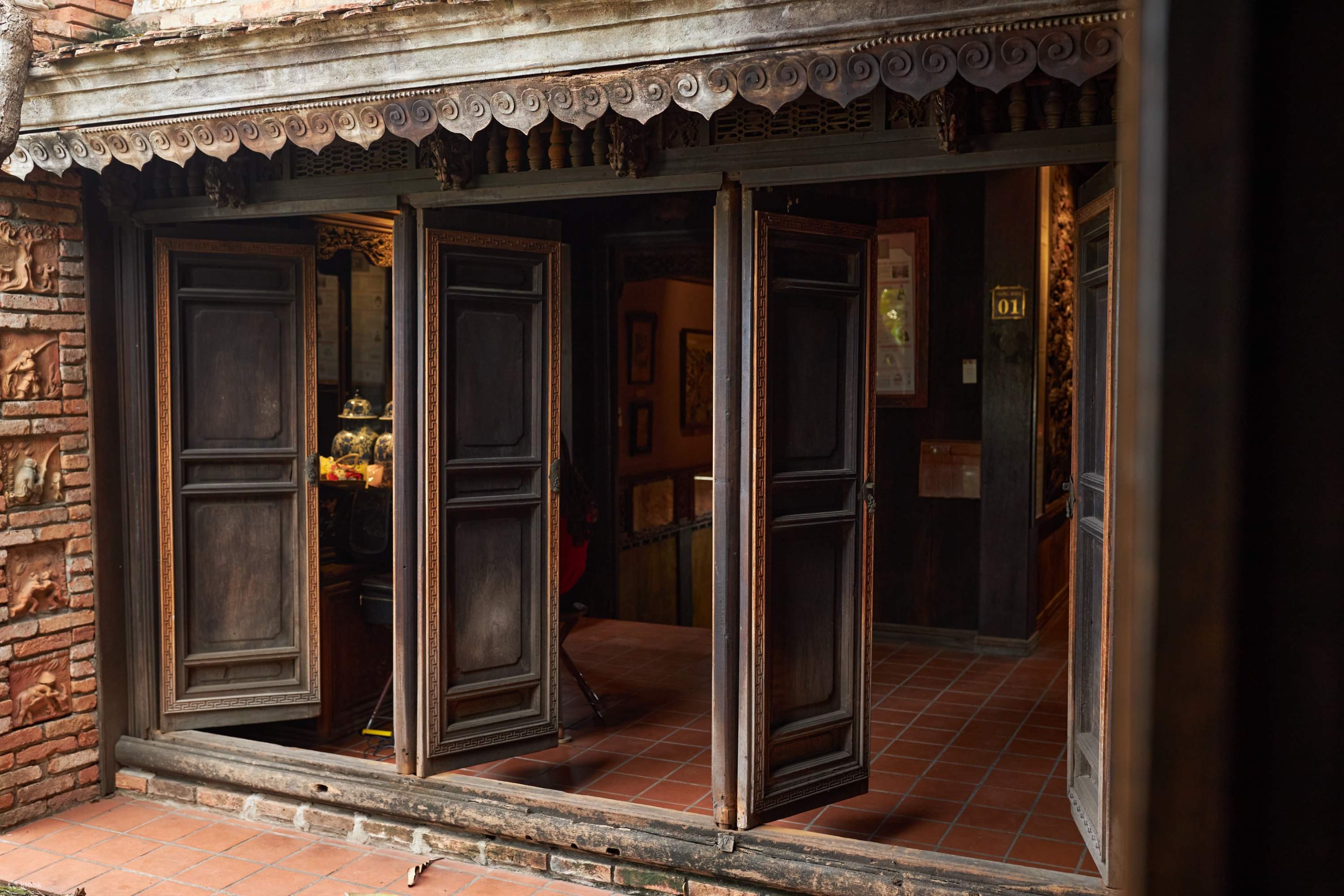
The museum was officially started in 2004 and opened to visitors in 2007. The project has a total area of nearly 600m², including 1 ground floor and 6 upper floors, with 18 exhibition rooms designed in traditional architectural style, mainly using wooden materials – creating a space that is both ancient and cozy.
Each exhibition room is a mark in the development journey of traditional medicine. Here, visitors can go back in time, learn about ancient medical activities such as diagnosis, prescription, decoction and treatment of diseases using traditional methods.
4. Unique features only available at the Fito Traditional Medicine Museum
As soon as you step into the Fito Traditional Medicine Museum, you will feel the peaceful and intimate atmosphere, emanating from the traditional wooden house architecture and two bamboo bushes planted right in front of the gate. The nostalgic space is covered with a faint herbal scent, creating a relaxing and pleasant feeling right from the first minutes.
4.1. Medical History Chronology
One of the highlights of the museum is the solemnly framed chronology board, recording the development of traditional medicine through each period. Visitors will have the opportunity to learn about the history of Vietnamese traditional medicine, the classification between Northern and Southern medicine, and famous doctors who have had a profound influence on traditional medicine.
In addition, the museum also owns a rich collection of Han-Nom books, including many valuable works such as Y Tong Tam Tinh or Nam Duoc Than Hieu by the famous physician Hai Thuong Lan Ong Le Huu Trac, including 28 volumes with 66 books. From these encyclopedias, it can be seen that Vietnamese traditional medicine is not inferior to that of other countries in the region such as China or Thailand.
4.2. Ancestor worship space
At the center of the museum is a solemn altar dedicated to the two founders of Vietnamese traditional medicine: Tue Tinh and Hai Thuong Lan Ong. The worship space is surrounded by gilded wooden horizontal lacquered boards and parallel sentences, creating a solemn and sacred feeling.
The jet-black wooden staircase is elaborately carved leading to the Ancestor worship space, harmoniously combining with traditional architecture from columns, beams to handrails. Even the elevator is covered with wood and carved with delicate patterns. On each floor, the museum arranges pots of green plants and herbs, creating a lively and close-to-nature highlight.
From the altar area, looking to the left, visitors will see stone and bronze artifacts dating from prehistoric times, related to ancient medicine. On the right is the Vietnamese Famous Physicians Room, which displays 15 gilded lacquer paintings depicting portraits of famous physicians and authors of traditional medicine from the 13th to 19th centuries. In addition, the space outside is a cool green garden, along with a small Cham tower model – a symbol of the entrance gate to the ancient Thang Long Temple of Medicine.
4.3. Collection of traditional medical instruments
Fito Museum owns a rich collection of instruments used in traditional medicine such as mortars and pestles, scales, wooden boards for printing prescriptions, wooden seals, etc. Most of the artifacts are made of stone or bronze and date from the 16th century, brought to Vietnam by foreign merchants.
In particular, the bronze mortar and pestle sets and small scales commonly used in pharmacies during the French colonial period are also displayed here. In addition, the museum also preserves many types of pots and kettles for decocting medicine collected from many regions across the country.
4.4. Vietnamese Traditional Medicine Trees
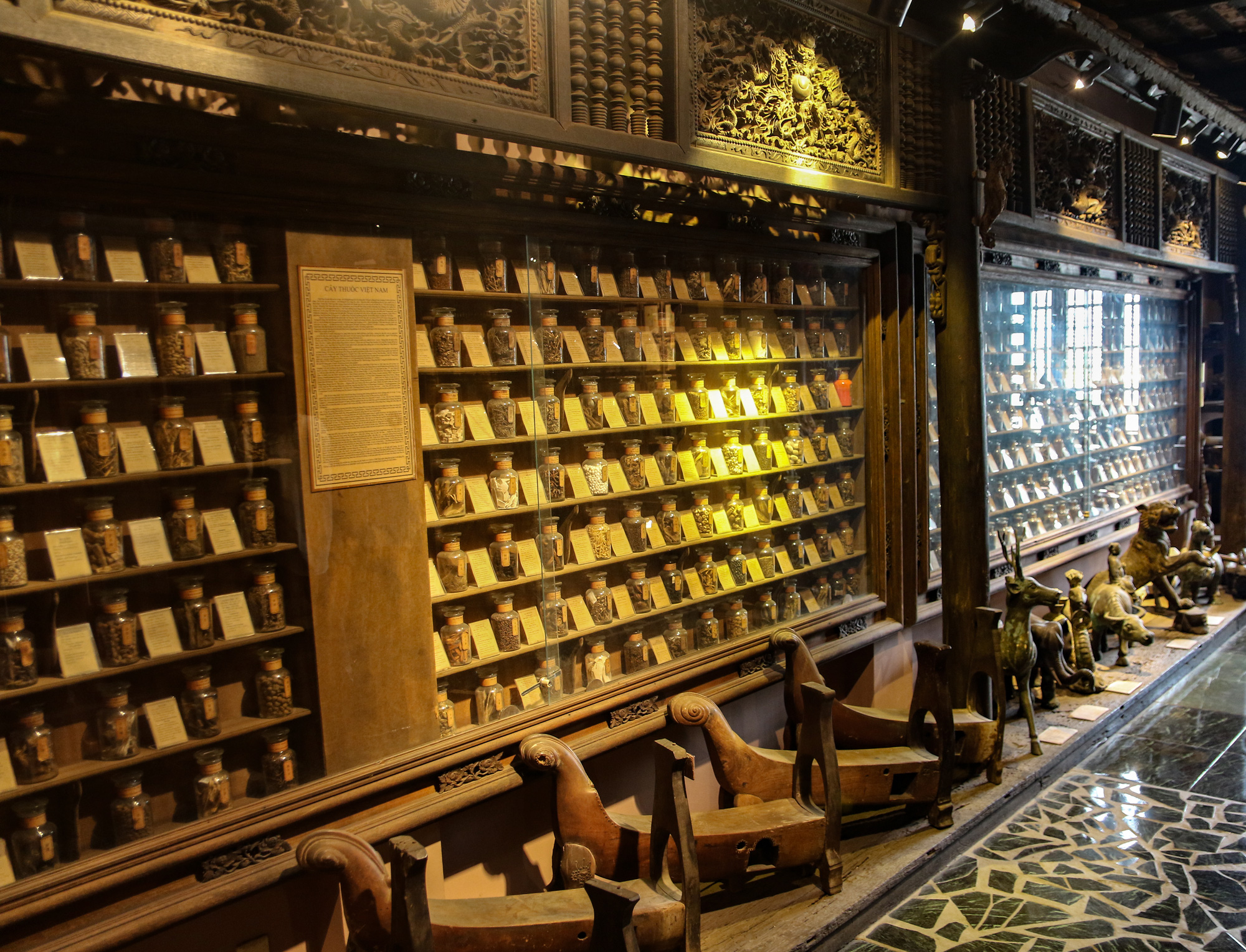
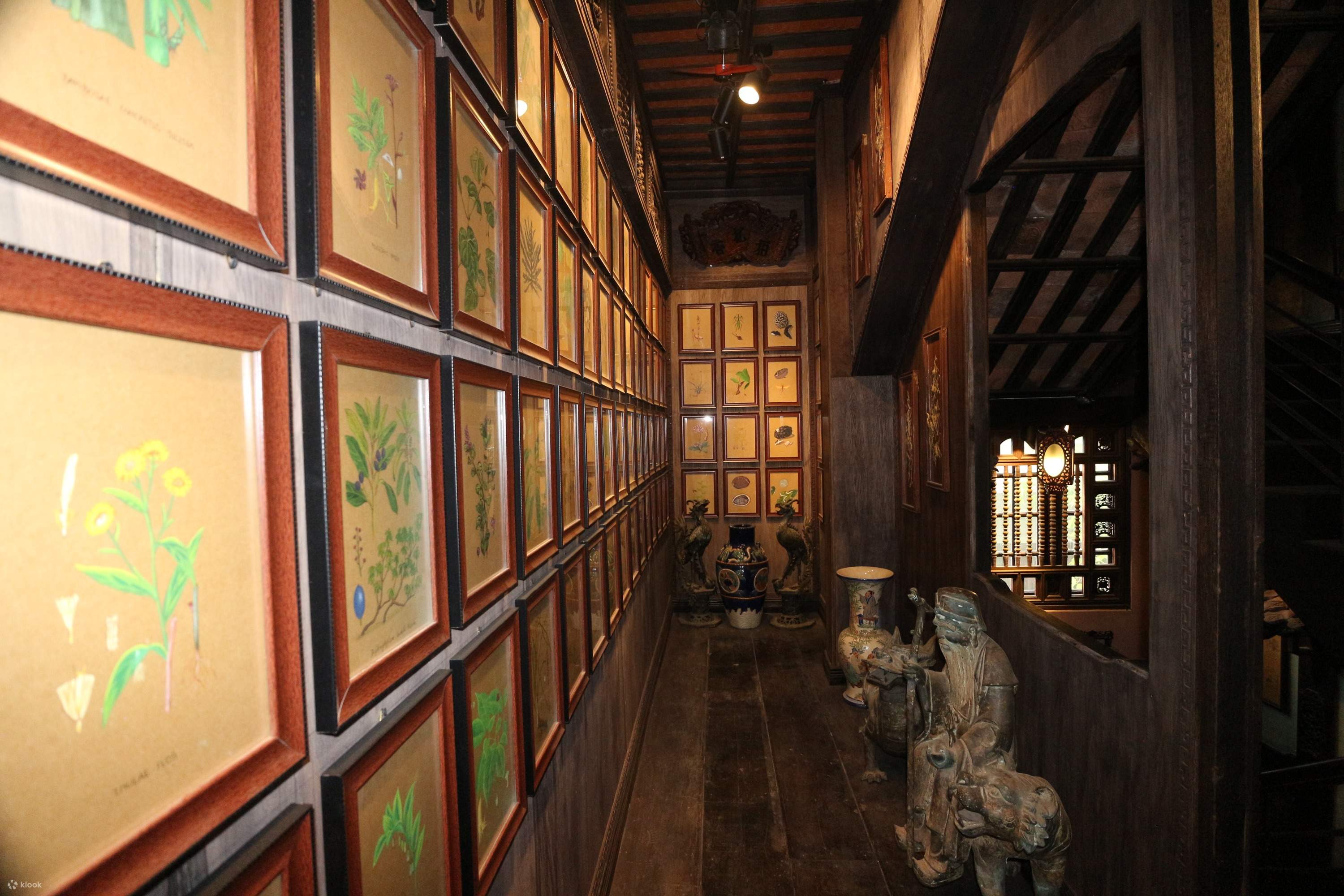
Another unique highlight at the museum is the wood carving called Vietnam Bach Gia Y, depicting the image of a giant tree symbolizing traditional medicine, with the names of 100 famous doctors and prominent medical authors in history.
In addition, the glass cabinets display many valuable documents, including specialized books in fields such as pharmacy, acupuncture, gynecology, pediatrics, health care, etc., reflecting the richness and comprehensiveness of Vietnamese traditional medicine.
4.5. Medicinal wine gallery
Medicinal wine is a traditional form of medicine that has existed for a long time in Vietnamese traditional medicine. At the Fito Museum, visitors can explore the medicinal wine gallery with a variety of wines soaked in ceramic jars and pots – some dating from the 1st-3rd century to the 20th century.
In addition to wines, this area also introduces the “earth-burying” technique – a method to increase the quality of medicinal wine, a unique feature in Vietnamese folk medicine.
4.6. Thai Y Vien model
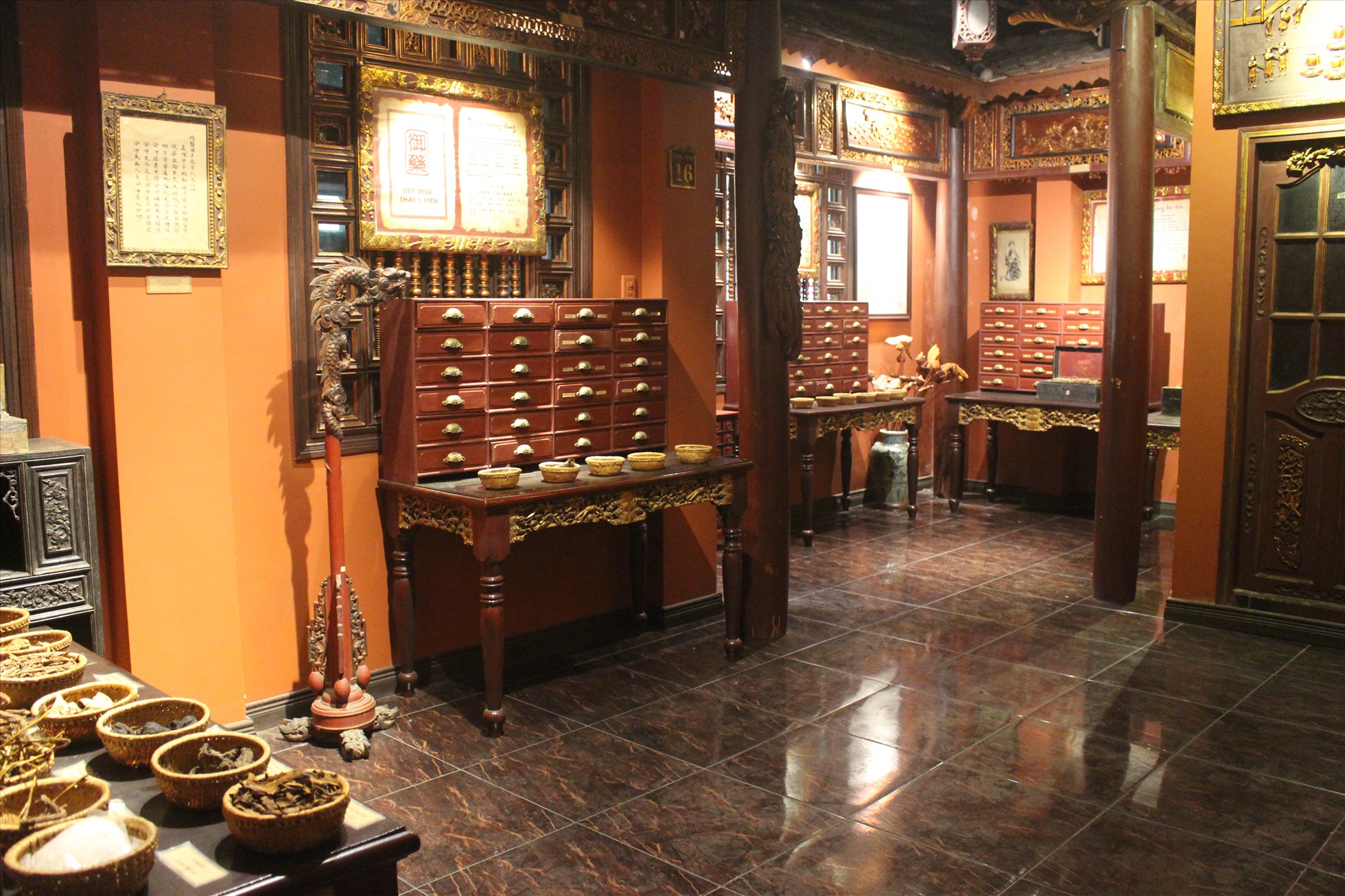
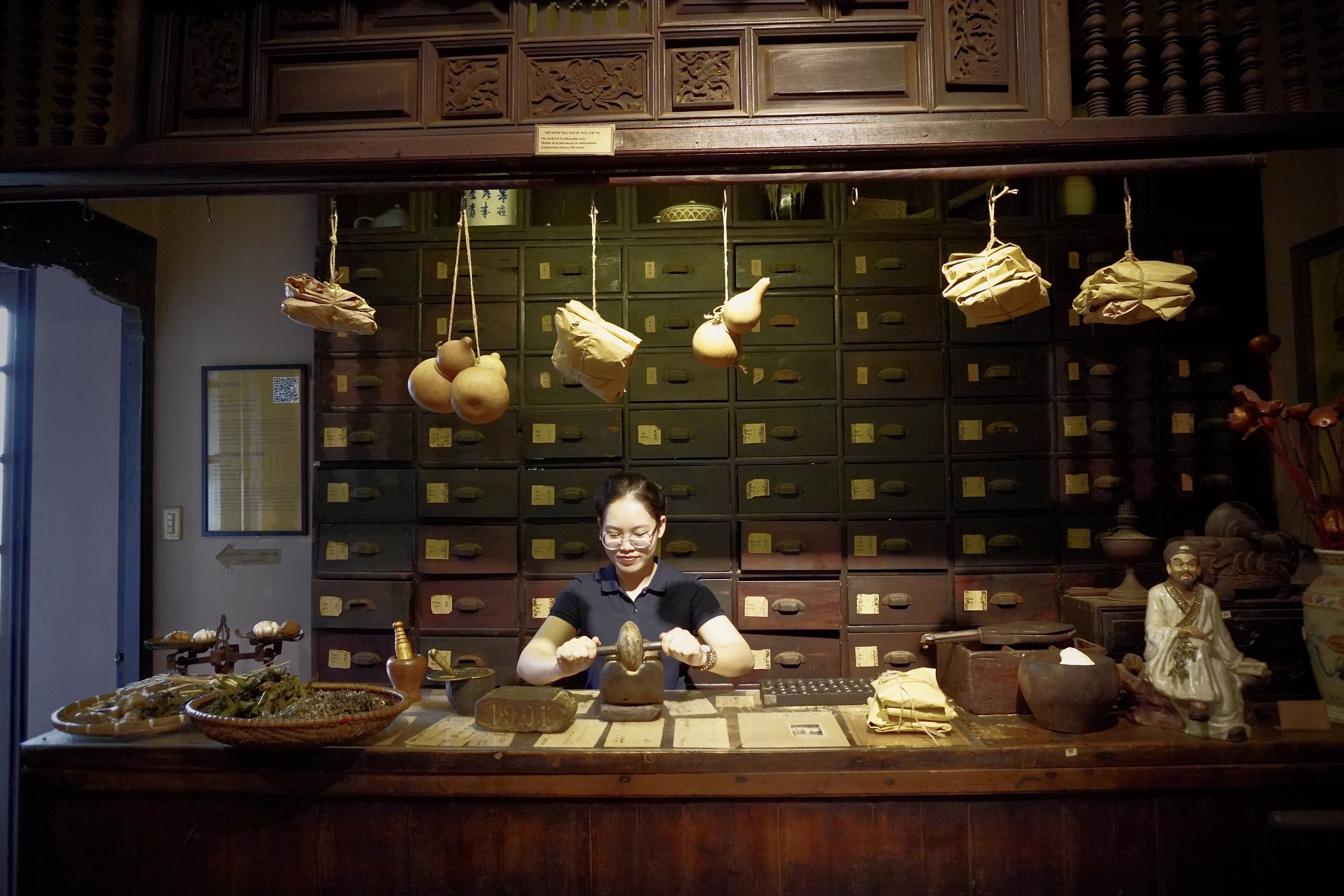
Recreating the medical space in the ancient royal palace, the Thai Y Vien model at the museum is designed in the style of the ancient royal court, where the king and the royal family used to take care of their health. The space is decorated with gilded red-lacquer paintings depicting medical activities such as taking the pulse, preparing medicine, picking medicinal herbs, etc.
In particular, the painting depicting the image of Hai Thuong Lan Ong treating Lord Trinh Can – Trinh Sam in 1781 is an attractive highlight. The artifacts displayed in the nearby glass cabinets also include tea sets and medicine cups used exclusively by the upper class.
The Fito Museum of Traditional Medicine is not only a place to preserve thousands of valuable artifacts, but also a cultural space that contributes to honoring the heritage of traditional medicine. This is a unique destination, worthy of being present in your journey to explore Saigon.
SUGGESTED ACCOMMODATION
If you intend to stay in Ho Chi Minh City, you should choose accommodations near the center and with good service, for example:
+ Acnos Hotel Ben Thanh: 20 Nguyen Thi Nghia, Ben Thanh Ward, Ho Chi Minh City.
+ Acnos Grand Hotel: 82 Cach Mang Thang Tam, Xuan Hoa Ward, Ho Chi Minh City.